Nine Hours, One Wardrobe: The Costume Designer's Impossible Assignment on Alleycat
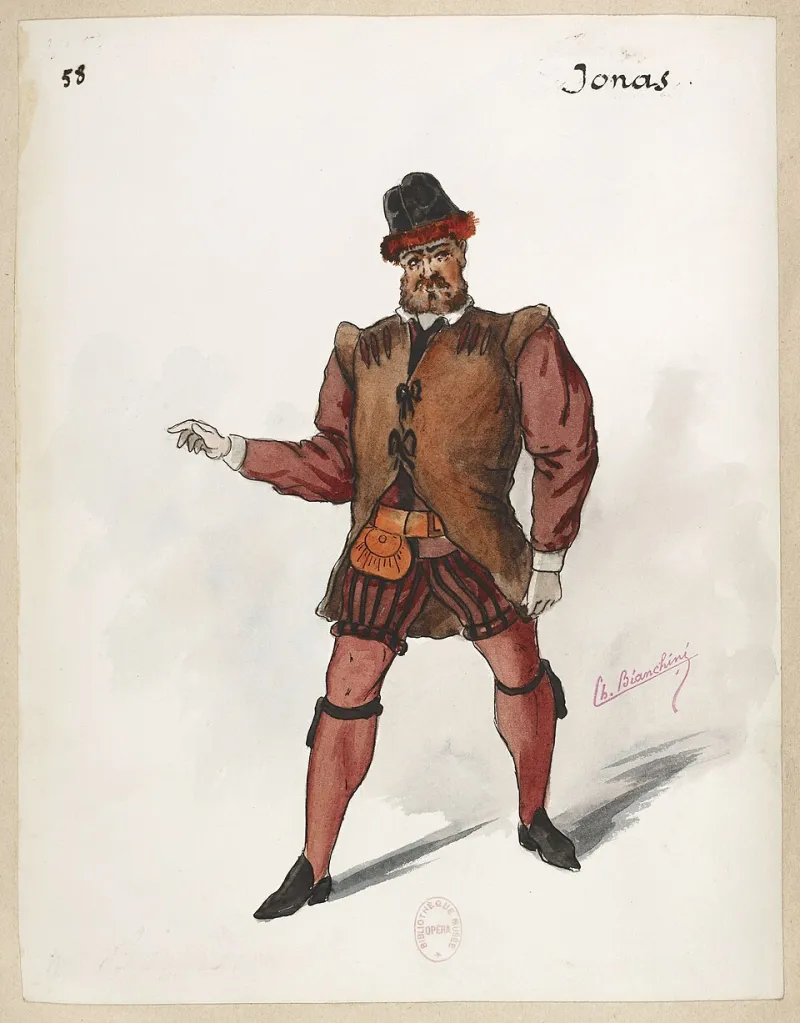
Photo: Charles Bianchini, Public domain, via Wikimedia Commons
Most costume designers get to tell a story in chapters. Act one, the hero is put together. Act three, they're transformed. There's a wedding, a funeral, a job interview, a rain-soaked confrontation in a fresh outfit. The calendar does half the work for you.
Marisol Vega didn't get that luxury. As the costume designer for Alleycat, she had to compress an entire character arc — grief, defiance, surrender, and something close to redemption — into roughly nine hours of screen time, with no outfit changes to mark the passage of time. The night itself was the only costume change her characters would get.
"People assume one night means one look," Vega told us over coffee in Los Angeles, flipping through a battered sketchbook that's been with her since pre-production. "It's actually nine looks wearing the same clothes."
The Tie That Tells the Story
Take Danny, the film's scrappy protagonist played by newcomer Elias Ward. He starts the night in a crisp white shirt and a tie knotted tight enough to choke him — a guy trying to look like he has his life together for exactly one more evening. By the 2 a.m. mark, that tie is hanging loose around his open collar. By sunrise, it's stuffed in his back pocket, and honestly, it's hard to explain why that image lands so hard, but it does.
"Every adjustment is a line of dialogue," Vega says. "When the tie loosens, Danny is loosening. When he takes it off entirely, he's stopped performing for anyone."
This is the core trick of one-night costume design: wear and tear become your timeline. A smudge of lipstick that wasn't there in scene twelve. A sleeve rolled up in a bar bathroom. Scuffed sneakers that started the night white. Audiences read these details instinctively, even if they never consciously notice them.
Aging Clothes on Purpose (Without Getting Fired by the Producer)
Vega's team built multiples of nearly every costume — she won't say exactly how many — because the night had to be broken into stages of deterioration. Each "phase" had its own distressing treatment.
"Phase one is pressed and clean. Phase two, we add sweat at the collar and a little grime on the hem. By the final phase, we're talking rain, spilled drinks, a scuffle or two," she explains. "The trick is making it look accidental. The second an audience thinks 'wow, that's distressed fabric,' you've lost them."
The team used techniques borrowed from stage productions — tea-staining, strategic sandpaper, even a bit of what Vega calls "the dive bar special," which involves a spray bottle and a very specific blend that mimics cheap beer. Given that much of Alleycat unfolds in a fictional downtown watering hole, authenticity mattered.
Hidden Callbacks for the Rewatch Crowd
Here's where it gets fun for the film buffs in the audience. Vega hid a series of visual echoes across the cast's wardrobes that most viewers will miss on a first watch.
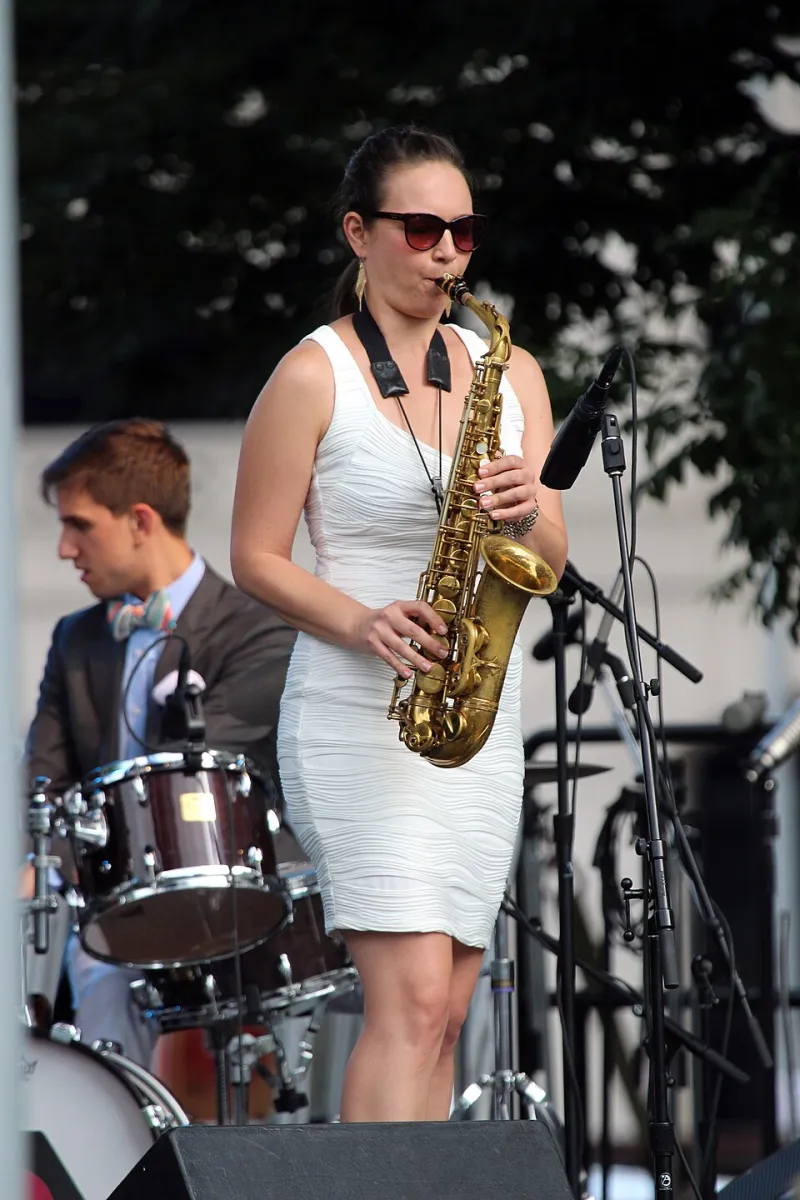
The stray cat that gives the film its name? Its coloring — a patchwork of black, orange, and cream — is mirrored subtly in the lining of Danny's jacket, visible for exactly two frames during a rooftop scene. The film's jazz club sequence features a saxophonist in a burgundy blazer; a burgundy scarf shows up an hour later on a completely different character, tying the night's strangers together like a chord resolving.
"There's a lipstick shade we called 'Nine Lives Red,'" Vega laughs. "It appears on three different women across the night, and it's never the same woman twice. It's our little rumor moving through the city."
She also credits the cast for committing to the physical storytelling. Ward reportedly slept in his costume the night before the rooftop scenes — against Vega's advice — because he wanted the wrinkles to be real.
"I was furious for about ten minutes," she says. "Then I saw the dailies. We kept it."
Why One Night Changes Everything
Traditional multi-week shoots let costume departments reset. A night shoot doesn't. Vega's team worked from a color-coded continuity bible that mapped every garment's condition against the film's internal clock — sunset to sunrise — so that no shot ever featured a shirt buttoned in scene 40 that was unbuttoned in scene 38.
The result is a wardrobe that functions almost like a second screenplay. You could mute Alleycat and still follow every character's arc through fabric alone: who's holding it together, who's coming apart, and who — like the alley cat herself — is too scrappy to let a little wear and tear mean anything at all.
"Clothes are just the story the body tells," Vega says, closing her sketchbook. "On this movie, the body only had one night to tell it."
Alleycat is in select theaters this fall. Keep an eye out for the tie.