Paws, Camera, Action: The Unglamorous Art of Directing Animals on an Indie Budget
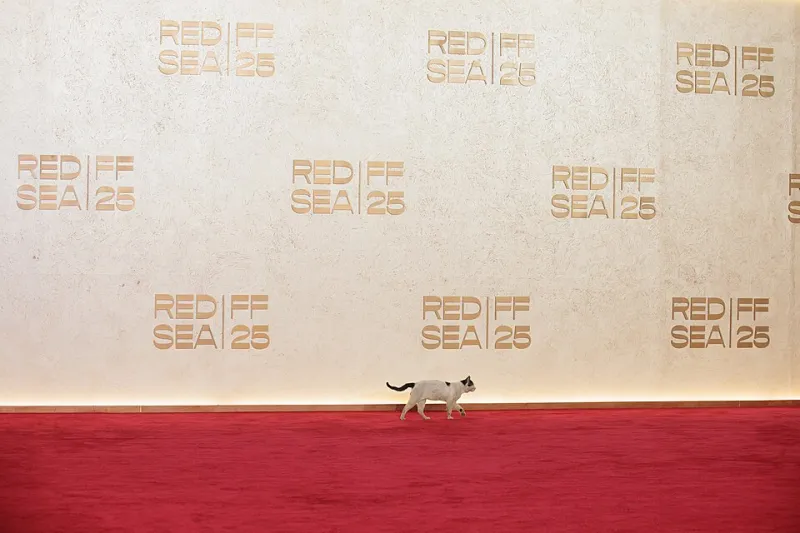
Photo: Segolene Liger, CC BY-SA 4.0, via Wikimedia Commons
Here's a truth every indie filmmaker learns eventually: you can negotiate with a producer, a landlord, or a nervous first-time DP. You cannot negotiate with a cat.
Yet some of the most beloved moments in American independent cinema came from animals who had no idea they were in a movie at all. No agent, no call sheet, no concept of "hitting the mark." Just instinct, a skilled handler nearby, and a crew willing to wait — sometimes for hours — for a single usable take.
The Cat Who Wouldn't Cooperate (And Why That's the Point)
Ask any film buff about a scene-stealing cat and one name comes up fast: the scruffy orange tabby from Inside Llewyn Davis. That cat — actually several cats, including a famously difficult one named after the Coen brothers' own pet — wanders through the film like a furry embodiment of Llewyn's own restlessness. It escapes apartments, rides the subway, and stares into the middle distance with the contempt of a true professional.
The trick, as the Coens discovered, is that cats don't perform. They exist, and if your framing and timing are patient enough, that existence reads as pure attitude. Indie budgets can't afford elaborate CG, so filmmakers lean on something better: honesty. A cat on camera is never acting. That's the whole appeal.
Dogs: The Most Reliable Scene Partner in Hollywood
Dogs are a different beast entirely — literally and logistically. They're trainable, eager, and responsive to the kind of repetition a film set demands. That's why so many low-budget American indies have built entire emotional arcs around a good dog.
Think of the shaggy mutts wandering through David Gordon Green's early, hushed dramas, or the way Sean Baker's The Florida Project lets a stray dog raise the emotional stakes without a single line of dialogue. A dog leaning against a character's leg can communicate loneliness, loyalty, or forgiveness faster than a page of exposition. On a shoot where every minute costs money, that's priceless efficiency.
Trainers on indie sets will tell you the real secret isn't obedience — it's atmosphere. Keep the set calm, keep the treats coming, and shoot around the animal's natural behavior rather than forcing it. The best "performances" are really just well-timed documentary work.
The Waiting Game: What It Actually Costs
Here's the part that never makes the behind-the-scenes reels: time. A studio production budgets entire days for animal work. An indie shoot often has the location until midnight and the animal until it loses interest, which can be ten minutes.
Veterans of low-budget shoots have a few tricks up their sleeves:
- Shoot the animal first. Get every shot involving the creature done before anyone's patience runs thin — the animal's or the crew's.
- Let the handler stand in frame. Sometimes the trainer is just off-camera holding the leash; sometimes they're in the shot and you crop later. Whatever works.
- Reward the humans too. A crew that's been waiting four hours for a terrier to look left deserves craft services. Lots of them.
- Embrace the outtake. Some of cinema's most charming animal moments were accidents. Leave the camera rolling.
Why We Keep Coming Back to Animal Performances
There's a reason audiences remember the pig in Okja, the raccoon in Guardians (fine, CGI — but modeled on a real one named Oreo), and every stray that ever trotted through a Sundance darling. Animals bring something human actors spend decades learning to fake: unguarded presence.
That's the spirit behind Alleycat, a film that follows nine lives through a single restless night, with a feline wanderer as its totem. We didn't put a cat in the story because it's cute — though, sure, it's cute. We did it because a stray moving through the city after dark is the purest image of survival we could think of. No script, no safety net, just instinct.
Every filmmaker who's ever aimed a lens at a real animal on a shoestring budget knows the feeling. You're not directing. You're bearing witness, and praying the gods of luck and catnip are on your side.
The Takeaway for Film Buffs
Next time you watch an indie and an animal walks off with the scene, spare a thought for the invisible craft behind it: the trainers who read the animal's moods, the ADs who rebuilt the schedule around a nap, the editors who stitched ten minutes of footage into five seconds of grace.
Nine lives. One night. And somewhere in the frame, a creature that has no idea it just made movie history.