The Eleven O'Clock Miracle: Inside the Last-Minute Jazz Score That Became Alleycat's Soul
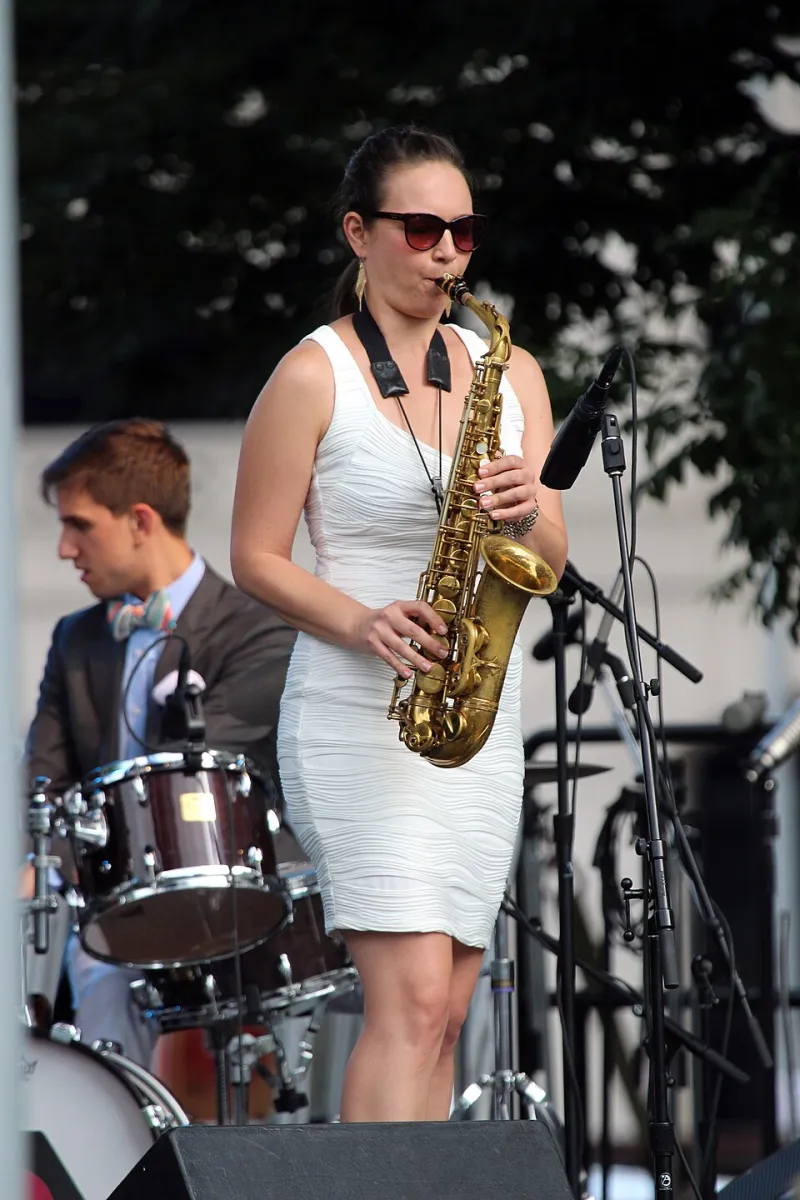
Photo: Jeff Dunn, CC BY 2.0, via Wikimedia Commons
Every indie filmmaker eventually learns the same brutal lesson: you can beg, borrow, and barter your way to a camera, a cast, and a shooting location. But the score? The score has a way of humbling even the most resourceful production.
That's exactly where Alleycat found itself — three weeks out from picture lock, with a temp track of licensed jazz recordings that everyone on the team knew, deep down, they could never afford. What happened next is a story about how independent films actually get their sound.
The Temp Track Trap
Ask anyone who's cut a low-budget feature and they'll tell you about the temp track — the placeholder music an editor drops in to set the mood before the real score exists. It's a useful tool and a dangerous one. Editors fall in love. Directors fall in love. And then someone does the math on licensing a Thelonious Monk recording and the whole room goes quiet.
Alleycat's temp track was stuffed with classic Blue Note-era cuts, the kind of smoky, after-midnight jazz that made the one-night story sing. Sync licenses for recordings like that routinely run five figures per track — sometimes six — and that's before you factor in the master recording rights, which are owned separately. For a film shot on a shoestring across a handful of long nights, it was fantasy math.
"We had two options," the production team recalls. "Replace the temp with something we could afford, or make something that sounded like it."
Why One Great Cue Can Carry a Whole Movie
There's a reason low-budget films obsess over their music. When you can't afford a hundred VFX shots or a marquee cast, sound is the cheapest shortcut to production value an audience can feel. A distinctive score tells viewers this movie knows what it is before a single line of dialogue lands.
Think of the films that punched above their weight class. A droning synth pulse turned a shaggy Texas horror picture into a cultural event. A dusty outlaw ballad transformed a micro-budget crime story into a phenomenon. None of those scores cost studio money. All of them cost the filmmakers everything they had in attention and intent.
For Alleycat — nine characters, one night, secrets unraveling block by block — the music had to do something specific: it had to feel like a city at 2 a.m. Warm but watchful. Romantic but ready to bolt. Jazz was never really a choice. It was the only genre that behaved that way.
Enter the Composer, Stage Left, Extremely Late
The eleventh-hour savior here wasn't a household name. It was a working musician — the kind of player who gigs four nights a week at clubs you've walked past a hundred times without going in. A friend of a friend of the editor's, which is genuinely how half the great indie scores in American cinema have come to exist.
The pitch was almost comically bare: no orchestra, no studio time, a recording setup cobbled together in a basement that doubled as a rehearsal space. What the composer did have was a live quartet's worth of favors owed and a lifetime of listening.
The approach that emerged was scrappy by necessity and stylish by design:
- Live players over samples. Real brushes on a real snare, an upright bass with audible finger squeaks, a trumpet recorded slightly too close. The imperfections read as intimacy.
- One main theme, endlessly remixed. The same melancholy melody shows up as a lonely solo piano cue, a slinky walking-bass groove, and finally a full-ensemble swell for the film's last act. It's the cheapest trick in scoring and one of the most effective — the audience feels the story rhyming with itself.
- Diegetic seams. Some cues were mixed to sound like they're leaking out of a car radio or a bar doorway, blurring the line between score and world. It saves money and deepens the atmosphere in one move.
The Shoestring Licensing Playbook
Alleycat's music journey also became a crash course in how indie films legally put music on screen. For fellow filmmakers taking notes, the survival kit looks like this:
- Original score over licensed recordings, whenever possible. You own it outright, you can cut it any way the edit demands, and nobody can pull it from your film in year three.
- Royalty-free libraries for connective tissue. Not glamorous, but useful for the unglamorous moments — a montage, a drive across town.
- Direct deals with small artists. Independent musicians will often license a track for a few hundred dollars plus exposure and a credit, especially for a film they believe in. Get it in writing, both sides of the copyright.
- Public domain and Creative Commons. A minefield if you're careless, a goldmine if you're careful. Always verify the actual recording's status, not just the composition.
The result of all this scrambling? A score that doesn't just accompany Alleycat — it is Alleycat. The trumpet that wails when a secret finally spills. The bass line that prowls under a rooftop confrontation. The last piano notes as dawn finally lets everyone off the hook.
Listen Before You Look
Here's our suggestion: when Alleycat hits your screen, close your eyes for the first thirty seconds. Just listen. That smoky, slightly imperfect, gloriously human sound was nearly a casualty of budget math — and instead, it became the thing people hum on the way out of the theater.
Nine lives. One night. And a score that almost wasn't. Some miracles show up early. The best ones show up at the eleven o'clock hour, carrying a trumpet case.