Midnight Regulars: How a Dive Bar, a Diner, and a Busking Sax Player Became Alleycat's Scene-Stealers
Photo: Richard Avery, CC BY-SA 4.0, via Wikimedia Commons
There's a moment about forty minutes into Alleycat — right after the second twist lands and before the third — when the camera drifts past a neon PIZZA sign, catches a saxophone player wailing on a fire escape, and settles on a waitress refilling coffee for a man who's clearly having the worst night of his life.
None of that was a set. All of it was real.
No Backlot, No Problem
When director Mara Ellison and her team started planning the shoot, the math was brutal even by indie standards. Nine lives, one night, and a budget that wouldn't cover the catering on a studio production. Building sets was never on the table. So they did what scrappy filmmakers have done since the dawn of celluloid: they went outside.
"We made a rule early on," Ellison says. "If a location felt like a movie set, we cut it. It had to feel like a place where real people had real bad nights."
That rule took the crew to the parts of the city tourists skip — the late-night diners with laminated menus, the dive bars where the jukebox still takes quarters, the alleys where buskers stake out the good acoustics under a flickering streetlight. In the process, Alleycat accidentally made a handful of small business owners into movie landmarks.
The Diner That's Been Open Since Before You Were Born
Rosa Delgado has run the Starlight Diner for twenty-two years. Her father ran it for thirty before that. When the Alleycat scouts walked in at 2 a.m., she says, they didn't ask about permits or paperwork first — they ordered pie.
"That's how I knew they were okay," she laughs. "Anybody who eats my butterscotch pie at two in the morning, they're all right by me."
Delgado closed the diner for a single night of shooting — the only night she's ever closed in two decades. The crew repainted a wall, hung a hand-lettered sign she still hasn't taken down, and filmed until sunrise. In return, she got a scene that's become the film's most photographed moment and a trickle of film buffs who show up, order the pie, and ask to sit in "the booth."
"I tell them the pie costs extra if they're taking pictures," she says. "Half of them pay it."
The Sax Player Who Stole a Scene Without a Line of Dialogue
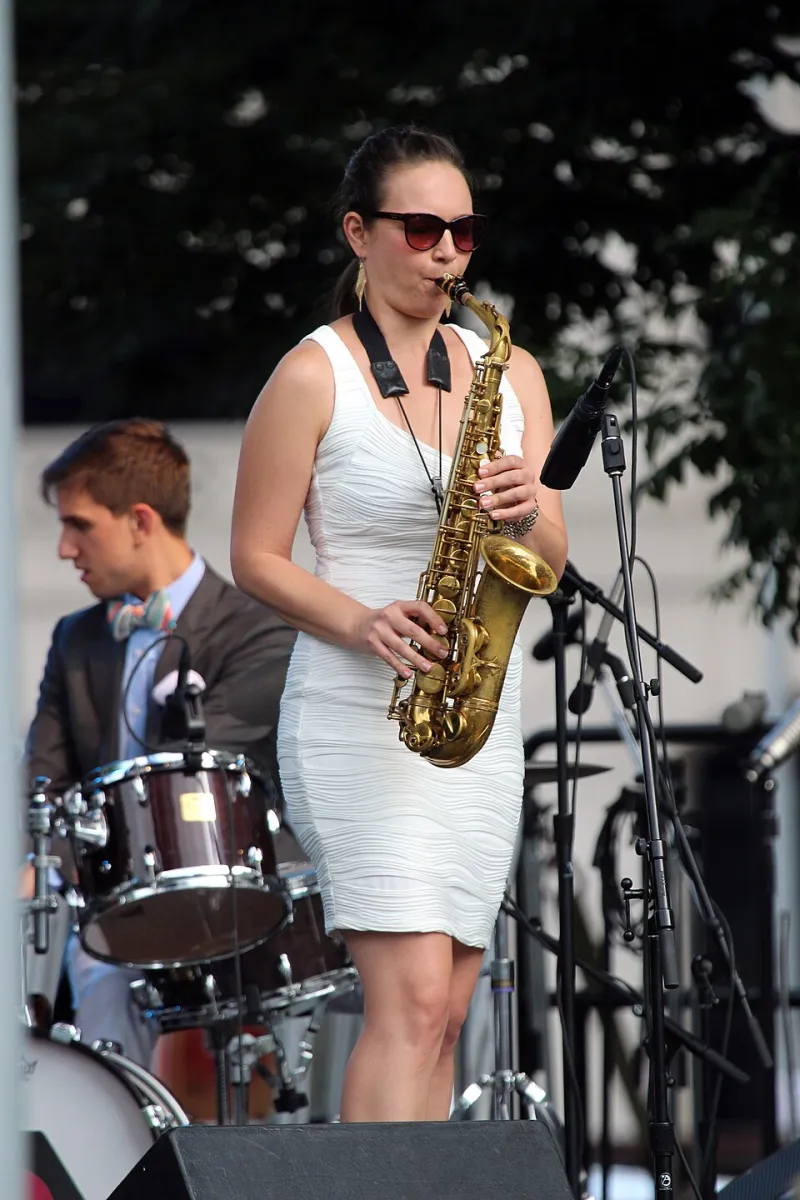
Then there's Deon "Sax" Whitfield, the busker whose fire-escape solo became the film's unofficial theme — a spontaneous counterpoint to the orchestrated score the crew captured that same night.
Whitfield has played that corner for eleven years. He remembers the shoot vividly: "They asked me to just do what I always do. I said, 'Man, what I always do is play until somebody throws something in the case or tells me to stop.' They said perfect. Roll camera."
His sixty-second appearance has generated more attention than years of corner gigs combined. Strangers now recognize the horn before they recognize the face. He's got no complaints. "The city needed a movie that looks like the city," he shrugs. "Not the skyline. The city."
Why Main Street Beats the Studio Lot
There's a reason indie films keep fleeing the backlot for the real thing, and it's not just budget — though it's mostly budget. Real locations carry texture no production designer can fake: decades of scuffs, regulars, grease, and history baked into every surface.
And for the businesses, a night of shooting can mean something outsized. Delgado's diner has been featured in two travel blogs and a regional morning show. The dive bar two blocks over — where the film's climactic confrontation goes down — now sells a cocktail named after a character who, no spoilers, does not survive the night.
"The owner told me business is up maybe fifteen percent," says location manager Tim Okafor. "For one night of chaos, with forty crew members eating their way through the kitchen? That's a trade most mom-and-pops will take every time."
Look Closer Next Time
The next time you watch Alleycat — and after the twist pileup, you will watch it again — pay attention to the background. The regulars at the counter who never look up. The bartender who pours without being asked. The sax drifting in from somewhere off-screen.
None of them are acting. That's the whole point.
Alleycat is currently screening in select theaters and streaming via the official site. The Starlight Diner's butterscotch pie, we're told, requires no ticket.