No Permits, No Polish: How the Alley Became Indie Film's Most Honest Set
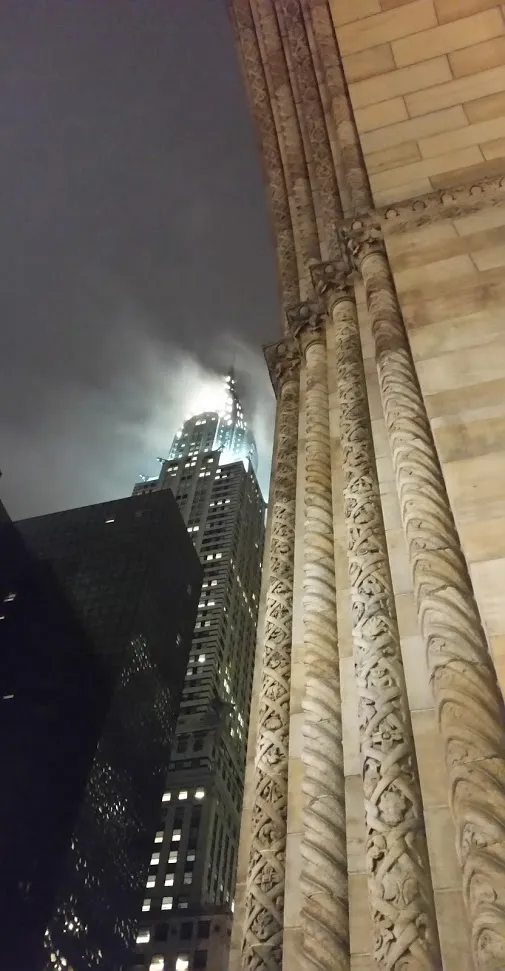
Photo: Mopoppy, CC BY-SA 4.0, via Wikimedia Commons
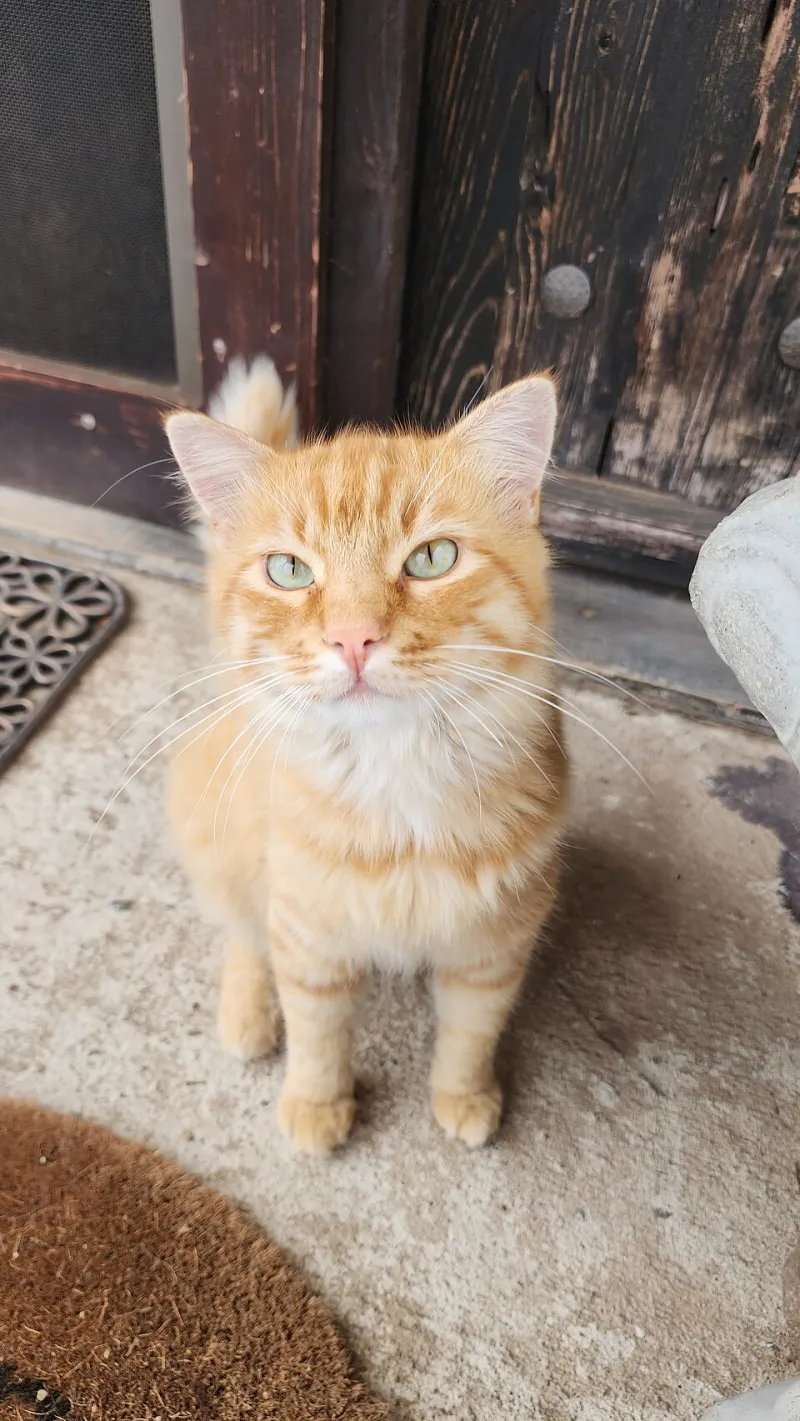
There's a moment in almost every great American indie film where the camera turns away from the nice part of town. The protagonist ducks out a back door, the soundtrack drops to something scrappy, and suddenly you're in a service alley behind a bar you couldn't find on a map. Steam from a grate. A dumpster with a story. A cat, if you're lucky.
That's not an accident. That's a whole aesthetic philosophy, and it runs straight through the lineage our film, Alleycat, is proud to stand in.
The Alley as a Statement of Intent
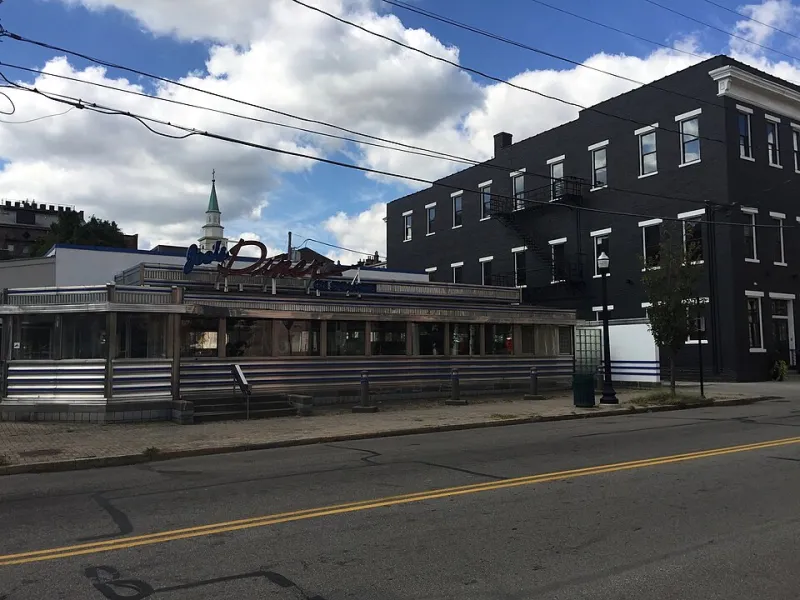
When Jim Jarmusch made Stranger Than Paradise in 1984, he wasn't just shooting in black-and-white to save money. He was telling you, visually, that nothing here was going to be dressed up for you. The locations are ordinary — borrowed apartments, grey Cleveland streets, the kind of back entrances most productions would call a workaround. But framed with patience, they become something else: proof. Proof that this movie isn't lying to you.
That's the core promise of the alley aesthetic. A studio backlot can fake a street corner, but it can't fake a fire escape with forty years of rust on it. Indie directors figured out that the real thing — unpermitted, unpolished, slightly dangerous — carries a texture no art department can replicate on any budget.
Why Audiences Trust the Back Door
Think about the movies that hit hardest at festivals over the last few decades. Clerks behind a convenience store. Fruitvale Station on real Oakland pavement. The Safdie brothers dragging their cameras through every steam-choked Manhattan side street they could get away with. What they share isn't a subject — it's a refusal to hide behind set dressing.
There's a practical reason, sure. Indie budgets don't exactly come with a permit department. But the deeper reason is honesty. An alley doesn't flatter anyone. There's no good lighting waiting for you, no assistant holding a bounce card. The actor either fills the space or they don't. The scene either breathes or it doesn't. It's cinema with nowhere to hide — which is exactly why we trust it when it works.
Where Alleycat Picks Up the Torch
Our film takes that tradition and gives it a literal mascot. The alley cat has always been the perfect symbol for this kind of filmmaking: scrappy, self-reliant, allergic to being told where to go. It survives on its instincts. So does a crew shooting a one-night movie with borrowed gear and a shooting schedule that starts when most people are going to bed.
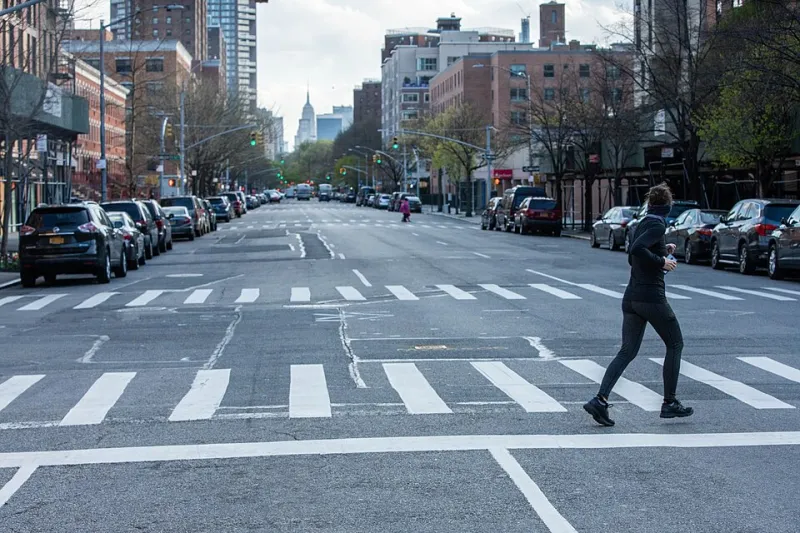
We shot in real doorways, real dead ends, real stretches of New York pavement that smell like exactly what you think they smell like. Nobody pretended otherwise. When the sun went down and the city stopped performing for tourists, we pointed the camera at what was actually there — and let it be more interesting than anything we could have built.
The Streets Keep Writing the Script
Here's the thing about filming in real spaces: they talk back. A car alarm goes off mid-take. A stranger wanders through your frame and, half the time, becomes the best thing in the scene. Every indie filmmaker learns to stop fighting this and start listening.
That's the alley aesthetic in full. It's not a look so much as a willingness — a bet that reality, shot with enough care, is more cinematic than fantasy ever was. From Jarmusch to the festival darlings premiering this year, the through-line is clear. The polished version of America lives in the multiplex. The honest version lives around back, by the fire escape, where the light is bad and the truth shows up anyway.
Alleycat opens soon. Come find it where the good movies always are — around back.