Nine Lives on Screen: The Stray Who Won't Stay Down
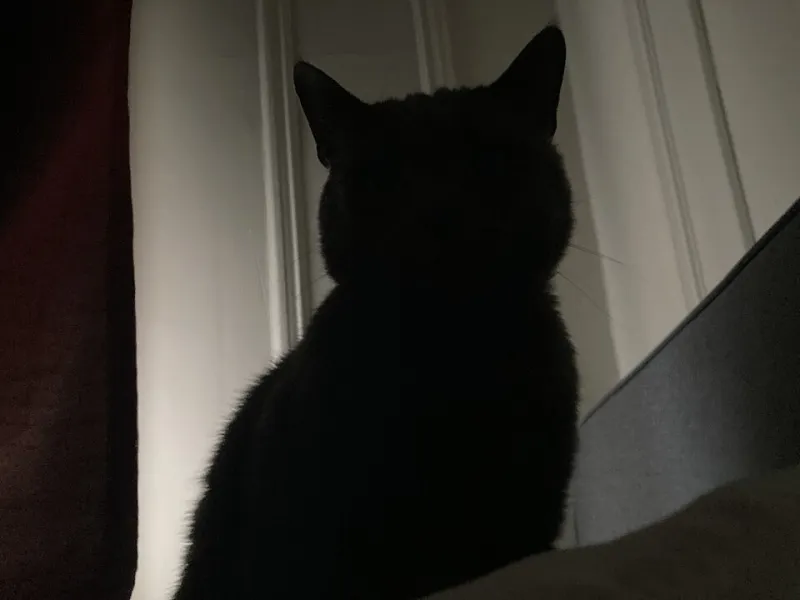
Photo: Buls1585, CC BY-SA 4.0, via Wikimedia Commons
There's a particular kind of character who shows up again and again in American indie film: broke, out of options, and somehow still moving forward. Call them drifters, strays, survivors — they all share DNA with the alley cat. Nine lives, no leash, and a talent for landing on their feet no matter how far the fall.
It's no accident that our film is called Alleycat. The archetype runs deep in this country's storytelling, and once you start noticing it, you'll see it everywhere.
The Roots: Noir Drifters and Highway Ghosts
The stray antihero didn't start in indie film. It started in noir. Post-war America produced a wave of drifter stories — characters rolling into town with a duffel bag and a bad history, trying to outlast the night. The formula was simple: one location, limited time, nowhere to hide. Every choice a character made had consequences before sunrise.
What made these figures compelling wasn't toughness. It was resourcefulness under pressure. They didn't win fights so much as survive them, improvising their way through trouble with whatever was in their pockets.
The Indie Inheritance
When American independent cinema exploded in the late '80s and '90s, filmmakers took that noir skeleton and dressed it in new clothes. Suddenly the drifter was a courier in Manhattan, a bagman in the suburbs, a kid with one night to get home across Los Angeles. The structure tightened: real-time storytelling, single cities, clocks that never stopped ticking.
The magic of the one-night format is that it strips a character down. No time for backstory. No room for a support system. Whatever's inside them comes out — and audiences lean in because there's nothing between them and the raw stuff.
Why US Audiences Root for the Stray
There's something in the American grain that responds to the underdog with no safety net. This is a culture built on reinvention narratives — the idea that you can lose everything and still walk out of the alley with a plan. The stray-cat character embodies that promise without the polish. They're not self-made; they're self-sustaining. And in an era when a lot of people feel one bad month away from disaster, that resilience reads less like fantasy and more like recognition.
The 'nine lives' framing matters, too. These characters don't get lucky once. They get lucky repeatedly, and the tension comes from wondering which fall is the one they don't walk away from.
The Watchlist: One Night, One City, No Way Out
Want to binge the archetype? Start here:
- After Hours (1985) — The gold standard. A SoHo word processor's worst night ever, escalating beautifully into absurdity.
- Lock, Stock and Two Smoking Barrels — British, yes, but the one-night spiral structure influenced a generation of US indies.
- Super Dark Times — Suburban dread where one bad decision snowballs past midnight.
- Good Time (2017) — The Safdies' neon-soaked Queens odyssey. A bank robbery, a brother in the hospital, and one long night to fix it.
- Queen & Slim — A first date that becomes a cross-country flight. The stray couple, hunted.
- Night Comes On — A newly released teen tracks down her past across Philadelphia in a single bruising day and night.
Each of these shares the alley cat's essential trait: when the doors close and the lights go out, they keep moving.
Why We Made Alleycat
Our film sits squarely in this lineage. One night. One city. A protagonist with nothing left but instinct. We wanted to honor the drifter tradition while asking a modern question: in a world where everyone's connected, what does it mean to be truly on your own?
The answer, we found, is the same as it was in the noir era. You survive by your wits, you trust the wrong people anyway, and you hope like hell that the ninth life hasn't been spent yet.
Watch the trailer. Then work through the list above. By sunrise, you'll understand why the stray never goes out of style.