Against the Clock: Why More Indie Directors Are Rolling Camera at Dusk and Not Stopping Until Dawn

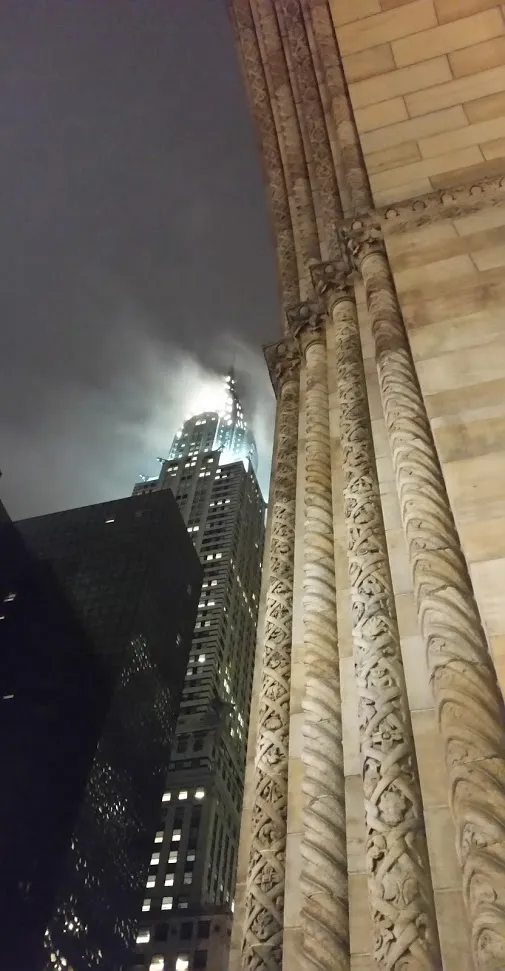
Photo: Phillip Williams , CC BY-SA 2.0, via Wikimedia Commons
There's a particular kind of panic that sets in around 2 a.m. on a film set. The coffee has stopped working. The lead actor's voice is half a register lower than it was at sundown. And everyone — cast, crew, the poor soul holding the boom pole — knows there is no tomorrow. Whatever doesn't get captured tonight simply doesn't exist.
That's the deal you sign when you make a one-night movie. And increasingly, indie directors across the country are signing it on purpose.
The Trend Nobody Planned
One-night filmmaking isn't brand new. Before Sunrise let its romance unfold across a single Viennese evening. Victoria, the 2015 German thriller, famously ran 138 minutes in one unbroken take. Locke trapped Tom Hardy in a car for 85 real-time minutes. But something shifted in the last few years: what was once an experimental flex has quietly become a viable production model for low-budget American indies.
Alleycat is part of that wave — a story that begins when the sun drops and simply refuses to stop until it comes back up. Nine lives, one night, no cuts to the next morning to bail anyone out. And the directors who work this way will tell you the same thing: it's not a gimmick. It's a philosophy.
Why the Clock Changes Everything
Traditional filmmaking is built on the lie of time. You shoot the ending on Monday and the beginning on Thursday. Actors cry on cue in February for a scene set in July. Audiences never notice — that's the point.
One-night movies refuse the lie. When your story happens in real time, the actors' genuine exhaustion becomes production value. The darkness outside the window is actually deepening. That diner coffee at hour seven is genuinely terrible, and somehow the camera knows.
"You can't fake 3 a.m.," as more than one crew member on a project like this will tell you. The body has a whole vocabulary for that hour — the glazed eyes, the loosened inhibitions, the conversations you'd never have at lunch. A director can write those details, but on a one-night shoot, they just show up for free.
The Logistics Are Absolutely Unhinged
Let's not romanticize it too much, because the scheduling math is brutal. A typical indie shoots 20 to 30 days. A one-night film might shoot in 12, cramming what would normally be ten pages a day into a relentless march through the script.
Lighting becomes the central crisis. Natural dusk gives you maybe 40 usable minutes of that gorgeous blue-hour glow. After that, you're rigging practical lights — streetlamps, bodega signs, headlights — and hoping the city cooperates. Permits for outdoor night shoots in places like New York come with hard end times, which means the clock on the wall isn't metaphorical. It's a producer with a clipboard.
And there's no coverage safety net. In a normal shoot, if a take doesn't land, you grab it from another angle tomorrow. Here, the edit is half-decided before you ever call action. Editors on these films describe the process less like sculpting and more like assembling a puzzle where half the pieces were never manufactured.
The Strange Freedom of No Way Out
Here's the paradox: the format that's most restrictive logistically is often the most liberating creatively.
Actors report a kind of performance you can't rehearse into existence. Without the stop-and-start rhythm of conventional shooting, they stop "performing" around hour four and start simply being. The mask slips. In a movie like Alleycat — where secrets spill as the night rolls on — that erosion of artifice isn't a bug. It's the entire thesis.
Audiences feel it too. Real-time storytelling collapses the distance between the screen and the couch. When a character has 40 minutes to make a decision, you feel every one of those minutes drain away. The ticking clock isn't a plot device; it's a shared heartbeat.
Why Directors Keep Coming Back
Talk to filmmakers who've done it and a pattern emerges: nobody describes the experience as fun, and almost all of them say they'd do it again.
Part of it is economic. One location, one night, one cast — that's a budget a first-time director can actually raise. Part of it is authenticity-hunger in an era when audiences can smell a soundstage. And part of it is something harder to name: a belief that cinema lost something when it learned to cut.
The one-night movie is indie film's answer to a blockbuster era. You can't out-spend Marvel, but you can out-endure it. No studio can bankroll 3 a.m. exhaustion. You have to earn it the hard way — by staying up.
Alleycat opens wide soon. Check the listings, find a late show, and watch it the way it was made: in the dark, with nowhere else to be.