Five Midnight Moves: Inside Alleycat's 2026 Grassroots Rollout
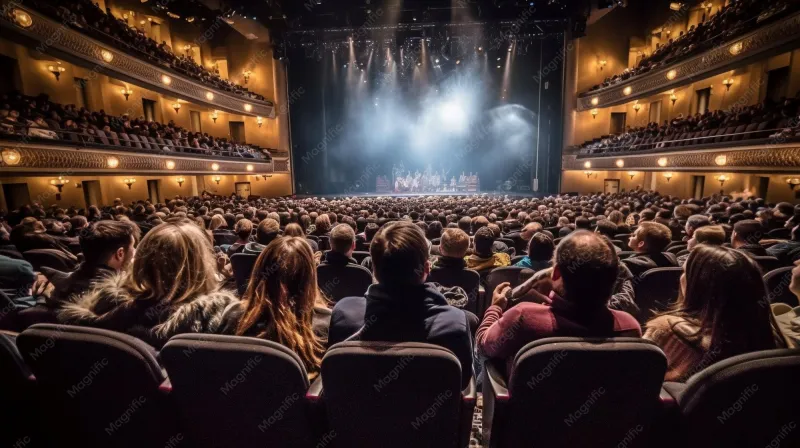
Photo: indie pop-up movie screening night cinema audience, via img.freepik.com
By the time Alleycat hit its 2026 midnight run, the film already felt like something people had discovered rather than something they had been sold. That was not an accident. The rollout was built around small rooms, local businesses, odd little teasers, and a deliberate refusal to explain everything at once. For indie filmmakers staring down a release with more ambition than cash, the playbook is worth studying.
1. Put the Movie Where the Movie Lives
Alleycat did not wait for a perfect theater chain moment. It staged pop-up screenings in spaces that already carried the film's atmosphere: an indie cinema with a late-night crowd, a neighborhood bar with a back room, a diner that understood the assignment. The screenings were limited, which made them feel like events instead of obligations.
The takeaway is not to rent a rooftop because it looks cool. It is to match the room to the movie. Find venues that come with built-in mood and built-in audiences. Keep the footprint small enough that you can be in the room. A packed 80-seat screening with a line outside can do more for word of mouth than a half-empty 300-seat house.
2. Make Local Businesses Actual Partners
Alleycat's rollout treated neighborhood spots as collaborators, not billboards. Coffee shops, late-night diners, record stores, and bars carried posters, QR codes, and small nods to the film. The best partnerships were specific: a midnight menu, a signature drink with a terrible pun, a stack of postcards by the register. People did not feel advertised at. They felt let in on something.
The practical lesson is to start early and keep it simple. Walk into places that already fit your film's world. Offer something in return—tickets for staff, a small window display, a mention in your social posts. Do not ask a local business to save your campaign. Ask it to be part of the texture.
3. Use Cat-Cam Teasers, Not Trailer Recaps
Alleycat's cat-cam clips were short, weird, and effective. They did not summarize the plot. They gave viewers a tiny dose of the film's personality: a tail disappearing around a corner, a stare from a fire escape, a paw near a diner booth. The clips worked because they were native to social feeds and still felt like the movie.
The takeaway for filmmakers is to build teaser assets that can survive without context. If your only marketing tool is a two-minute trailer, you are asking a lot from a scrolling audience. Make ten small pieces that feel like the film. Post them on a schedule. Let people ask what they are looking at.
4. Treat Merch Like a Ticket, Not a Souvenir
Alleycat's merch drops were scarce on purpose. Limited pins, midnight posters, and small runs tied to specific screenings gave fans a reason to move. The point was not to squeeze money out of the audience. It was to make the physical objects feel connected to the release.
Indie filmmakers do not need a full merchandise operation. They need one or two items that make sense. A poster with a great design. A pin that references a specific scene. A zine with behind-the-scenes notes. Keep the run small, price it fairly, and make it available around screenings. Scarcity works when it feels like a reward, not a threat.
5. Let the Mystery Do Some of the Marketing
Alleycat's campaign never tried to answer every question before release. That restraint gave audiences something to do: speculate, argue, share the trailer with a friend who might have a different theory. The film's secrecy became a conversation starter instead of a gatekeeper.
That is the hardest lesson to copy because it requires confidence. You have to trust that not explaining everything will make people more curious, not less. You have to give them enough images, enough mood, enough story to care. Then you have to step back.
In 2026, indie films are competing with an enormous amount of noise. Alleycat's rollout worked because it did not try to outspend the noise. It made smaller, stranger, more local moves that added up to a feeling. Pop-ups. Partners. Cat-cam clips. Scarce merch. A little mystery. None of it required a studio budget. All of it required decisions that were specific to the film. That is the real playbook: do not buy attention. Build a world people want to step into.